

Mesothelioma - A Rare Asbestos Disease
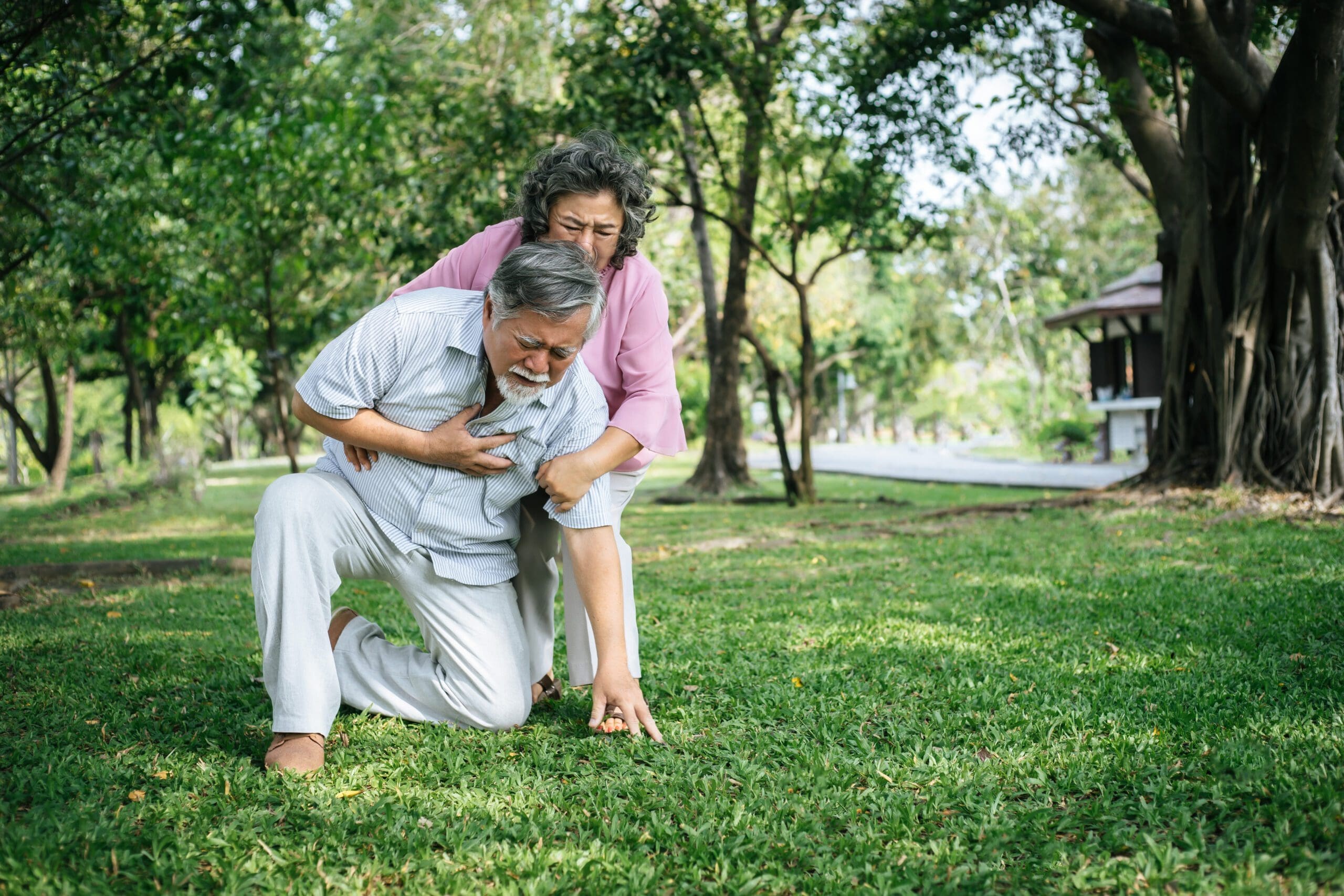
Mesothelioma, a rare form of cancer, is found in the organs' linings. It is most prevalent in the abdomen and lungs (peritoneum), but can also occur in the pleura. The risk of developing the disease is higher when asbestos is exposed.
The exposure to asbestos, a mineral fiber that is resistant to heat and fire is the most significant risk factor. The symptoms may not manifest for decades after exposure.
Signs and symptoms
Mesothelioma, a cancerous tumor that develops in the tissue that surrounds the lungs and the heart, is caused by asbestos fibers. Typically, it develops when people inhale asbestos fibers, which enter the bloodstream, and later get lodged in the lining of organs. People most likely to have this condition are those who work with asbestos, like plumbers, miners, carpenters and welders. It also occurs in those who were asbestos workers who brought it to their homes on their clothes or the skin. Other individuals at risk are those who work in a household in which asbestos is present, and those who are disturbed by asbestos during home renovations or maintenance.
There are four stages of mesothelioma. Mid- and early-stage mesothelioma may not be symptom-free and it could take years before they are diagnosed. By the time cancer is detected it has advanced and is difficult to treat.
Symptoms of mesothelioma usually are not evident until years after exposure. The condition can last for many years to develop because asbestos fibers have to travel from the lungs to other parts of the human body before they cause mesothelioma. Most cases of mesothelioma begin in the lung lining (pleural mesothelioma) however it could also start in the lining of the stomach or heart. It can even appear in the tissue lining the reproductive organs.
The best way to diagnose mesothelioma is for a doctor to take a biopsy of the affected area. The sample is examined under a microscope to determine whether the cancer cells are mesothelioma or another kind.
Doctors may also order x-rays, CT scans or MRI to help identify the problem and see whether there is a tumor, thickening of the lining within the chest or abdomen and fluid in the chest cavity. They can also request lung function tests to determine the extent to which the lungs of a person are working.
A misdiagnosis of mesothelioma can be dangerous, as it can delay treatment that could improve the chances of survival for a patient. This is why it's crucial to consult a physician when any symptoms arise. A GP can evaluate the symptoms and signs and determine if a person has a previous exposure to asbestos.
Diagnosis
Mesothelioma is a type of cancer that is found in the mesothelium. The mesothelium is the lining that covers organs inside the body which include the abdominal cavity and the chest. Pleural mesothelioma can affect the outer layer (pleura) of the lungs. Mesothelioma is rarer in the lining of the abdomen (peritoneum) as well as the heart sac (pericardium) as well as in the testicles.
A doctor can detect mesothelioma by taking tissue sample for imaging or biopsy tests. A doctor will then determine the mesothelioma's grade and determine how aggressive it is and how likely to grow.
Exposure to asbestos is the most significant risk aspect. Asbestos is a naturally occurring, heat and fire-resistant mineral fiber that was employed in manufacturing and construction until the late 1970s. Mesothelioma is more prevalent in people who have been employed in asbestos milling, mining, insulators and pipefitters.
Inhaling the tiny asbestos fibers could cause mesothelioma. These tiny asbestos fibers can get trapped in the lungs, causing inflammation that can lead to lung scarring. Asbestos exposure can also increase the likelihood of smoking, which can increase the risk of mesothelioma.
A person's risk for mesothelioma increases with the length of time they were exposed to asbestos. The people who have been exposed to the highest levels of asbestos are at the greatest risk of developing mesothelioma.
There are a few risk factors that can be changed like the age of a person, or if they smoke, but most mesothelioma risk factors are linked to asbestos exposure. Certain factors are not changeable, like a person's genetics or family history. Mesothelioma is more likely be diagnosed if someone has certain health issues or illnesses like heart disease or diabetes.
Treatment
Mesothelioma is a condition that affects the mesothel lines the lungs and abdomen. Mesothelioma may develop in those who have been exposed to asbestos. The disease usually develops for decades after exposure to asbestos. It can be difficult to recognize since symptoms are often similar to other conditions, and they come and go. Those diagnosed with mesothelioma can be compensated through lawsuits or trust funds.
Mesothelioma has no cure However, treatments are available to manage the condition and improve quality of life. Patients should seek medical treatment from a doctor who has had experience treating the disease. Doctors will examine a patient's history to determine if there are any symptoms and potential mesothelioma risks, such as asbestos exposure.
Exposure to asbestos is the most common cause of mesothelioma. It usually occurs due to breathing asbestos fibers that are floating in the air. These fibers can get trapped in the lungs and can cause genetic mutations that result in cancer. Pleural mesothelioma affects the linings of the lungs and is the commonly diagnosed type of mesothelioma. It can also affect the chest lining (pericardium) as well as the abdomen and testicles (peritoneal peritoneal cancer).
Like all cancers, mesothelioma can be caused by the DNA of a cell that has mutations. The mutations cause the cell to expand in uncontrolled ways and eventually result in an increase in the size of the tumor. People over 75 and veterans of the U.S. armed forces are most likely to develop mesothelioma.
There are various types of mesothelioma and each has a distinct rate of survival. Patients should be aware that mesothelioma is very serious and can be extremely difficult to treat. There is hope, though as research continues to make progress in prolonging survival. Veterans with mesothelioma may also be eligible for VA benefits.
The following is a list of preventatives.
Mesothelioma is a rare disease however it is highly treatable. Asbestos, a natural mineral was once extensively used in construction, shipbuilding, and other industries because of its unique properties, including durability, strength and insulation. However, the microscopic fibers of asbestos become airborne when disturbed, and if inhaled, they could cause serious health issues like mesothelioma.
asbestos cancer lawsuit lawyer mesothelioma to avoid mesothelioma is to avoid being exposed to asbestos. Asbestos exposure is the most significant reason for mesothelioma and most people diagnosed with the disease have been exposed to asbestos at one point in their lives. Smoking and age as well as genetics can also increase the risk of mesothelioma.
Most often, mesothelioma affects the lung (tummy) and lungs. It is uncommon for mesothelioma develop in any other area of the body. Mesothelioma can take several years to develop and may not manifest until 20 or 40 years following asbestos exposure. It is essential that those who have been exposed to asbestos regularly see their doctor if they are experiencing any unusual symptoms, especially breathlessness and coughing.
Asbestosis symptoms include tightness in the chest, frequent coughing and a bluish appearance to the skin because the body is trying to get enough oxygen. Inhaling asbestos fibers can also cause irritation to the lung tissue and cause scarring, known as fibrosis. This can lead to the accumulation of fluid in the lungs, as well as other parts of your body including the heart. Inflammation may also trigger genetic changes that can cause cancer to grow in the lung.
Asbestosis isn't curable, but there are treatments available to alleviate symptoms. These treatments can improve the quality of breathing and quality of life for patients.
Mesothelioma typically occurs in the tummy and lungs but can also affect the heart, stomach and testicles. It is not usually possible to prevent mesothelioma, but there are steps people can take to reduce their risk of exposure. It is important to look for asbestos in the workplace and ask their employer for safety standards that they should adhere to. It is also recommended to wear protective equipment and wash their workplace clothes outside of their home to ensure that they are not tethered to the clothing of family members.